Technology has transformed disaster management by streamlining communication, enhancing predictive capabilities, and improving situational awareness. Real-time systems allow for rapid alerts, while predictive analytics enable risk assessment through advanced modeling. Drones offer crucial aerial insights, and mobile applications encourage community participation. These innovations collectively bolster resilience and safety. However, the integration of technology in disaster scenarios raises questions about accessibility and effectiveness. What challenges remain in maximizing these tools for comprehensive disaster response?
Real-Time Communication Systems
In contemporary disaster management, effective real-time communication systems play a pivotal role in coordinating response efforts and disseminating critical information.
These systems facilitate timely emergency notifications, ensuring that affected populations receive essential updates. By enhancing crisis coordination among agencies and responders, they empower communities to take proactive measures, ultimately increasing resilience and minimizing chaos during catastrophic events.
Such technology is indispensable for safeguarding freedom and public safety.
See also: courseoriginal
Predictive Analytics and Modeling
Real-time communication systems lay the groundwork for advanced technologies such as predictive analytics and modeling, which enhance disaster preparedness and response.
By employing machine learning algorithms, these tools improve risk assessment processes, enabling authorities to anticipate potential hazards and allocate resources more effectively.
Consequently, predictive analytics fosters proactive measures, empowering communities to mitigate the impact of disasters and ultimately safeguard individual freedoms.
Drones and Aerial Support
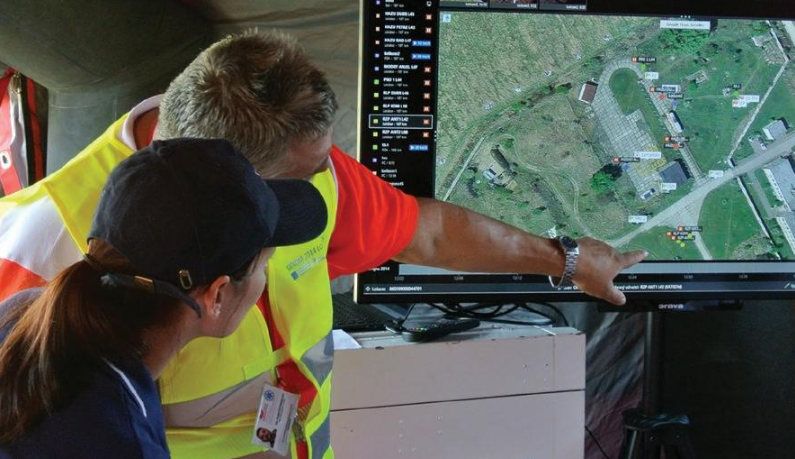
Drones have emerged as a pivotal asset in disaster management, providing unparalleled aerial support that enhances situational awareness and response capabilities.
Their ability to conduct aerial surveillance facilitates real-time data collection, while advanced imaging technologies aid in disaster mapping.
This integration of drones into emergency operations empowers responders to assess damage swiftly, allocate resources effectively, and ultimately improve outcomes in crisis situations.
Mobile Apps for Community Engagement
As technology continues to evolve, mobile applications have become a powerful tool for enhancing community engagement in disaster management.
These apps facilitate real-time community alerts, empowering residents to stay informed. Additionally, integrated feedback mechanisms allow users to report issues and share experiences, fostering collaboration between citizens and authorities.
Ultimately, these features enhance resilience and promote a proactive approach to disaster preparedness and response.
Conclusion
In conclusion, technology serves as a lifeline in disaster management, weaving together communication, analysis, and community involvement into a cohesive safety net. By harnessing real-time systems, predictive analytics, aerial support, and mobile applications, authorities can not only anticipate and respond to crises more effectively but also empower citizens to play an active role in resilience. As the digital landscape continues to evolve, so too will the tools that safeguard lives, ensuring that hope remains steadfast even in the darkest of times.