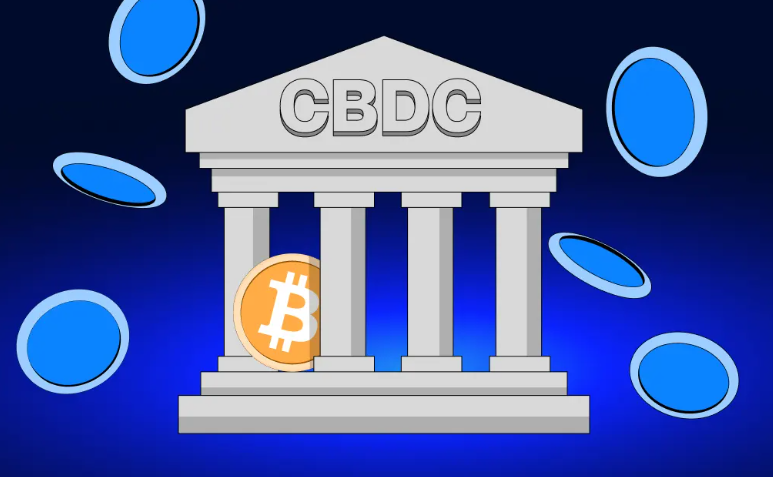
The landscape of cryptocurrency trading is shaped by two primary types of exchanges: centralized exchanges (CEXs) and decentralized exchanges (DEXs). Each presents a unique set of features that cater to different trading styles and preferences. CEXs offer convenience and support, while DEXs emphasize privacy and autonomy. However, both also come with inherent risks and limitations. Understanding these nuances is crucial for traders as they weigh their options in an evolving digital marketplace.
Overview of Centralized Exchanges
Centralized exchanges (CEXs) serve as pivotal platforms in the cryptocurrency ecosystem, facilitating the buying, selling, and trading of digital assets through an intermediary.
They often prioritize user experience, providing intuitive interfaces and customer support.
However, these conveniences come with trading fees that can vary significantly, impacting overall profitability for traders.
Users must weigh the benefits against costs when choosing a CEX.
See also: courseoriginal
Overview of Decentralized Exchanges
Decentralized exchanges (DEXs) operate on blockchain technology, allowing users to trade cryptocurrencies directly with one another without the need for a central authority.
They utilize liquidity pools to enable seamless transactions and facilitate a wide range of trading pairs.
This structure empowers users, promoting autonomy and reducing reliance on intermediaries, while fostering a more resilient trading environment in the cryptocurrency landscape.
Advantages and Disadvantages of Centralized Exchanges
While many traders appreciate the convenience and user-friendly interfaces offered by centralized exchanges (CEXs), these platforms also come with notable risks and limitations.
They often impose higher trading fees and may lack robust security features, making users vulnerable to hacks.
Additionally, regulatory compliance can lead to restrictions that compromise the freedom of users, impacting overall user experience and trust in the platform.
Advantages and Disadvantages of Decentralized Exchanges
Although many users are drawn to the autonomy and privacy offered by decentralized exchanges (DEXs), these platforms come with their own set of challenges and limitations.
While DEXs provide enhanced user anonymity and trading flexibility, they often face liquidity concerns and may lack robust security features.
Users must weigh these advantages against potential vulnerabilities and the complexities inherent in navigating decentralized trading environments.
Conclusion
In the ongoing debate between centralized and decentralized exchanges, each offers unique benefits and drawbacks that cater to different trading styles and risk appetites. While CEXs provide convenience and customer support, they often come with higher fees and security risks. Conversely, DEXs empower users with autonomy and privacy but may present challenges in liquidity and usability. Ultimately, traders must weigh their options carefully and choose the platform that best aligns with their individual needs, as the choice can be a double-edged sword.